Division 67
Extension
Harold Haynes Fenner
K/3236 Stoker 1st Class HM S/M Royal Navy
![350px-HMS_E20[1]](http://cemeteryjunctionwargraves.org.uk/wp-content/uploads/2013/12/350px-HMS_E201.jpg) |
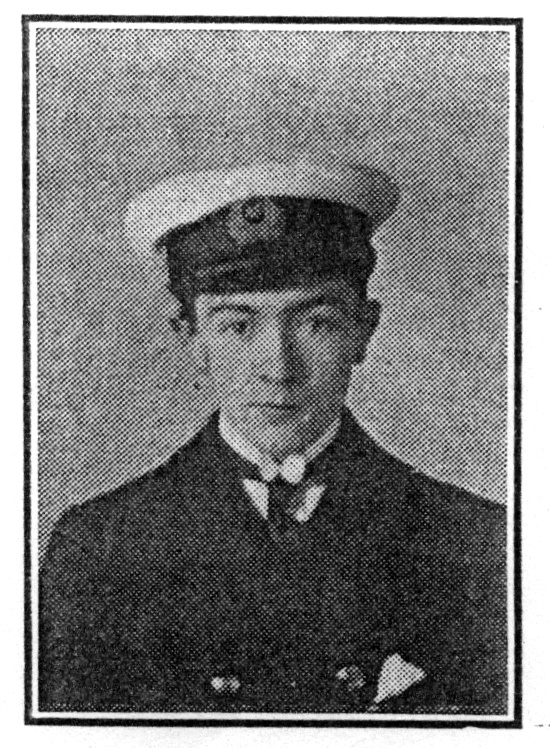
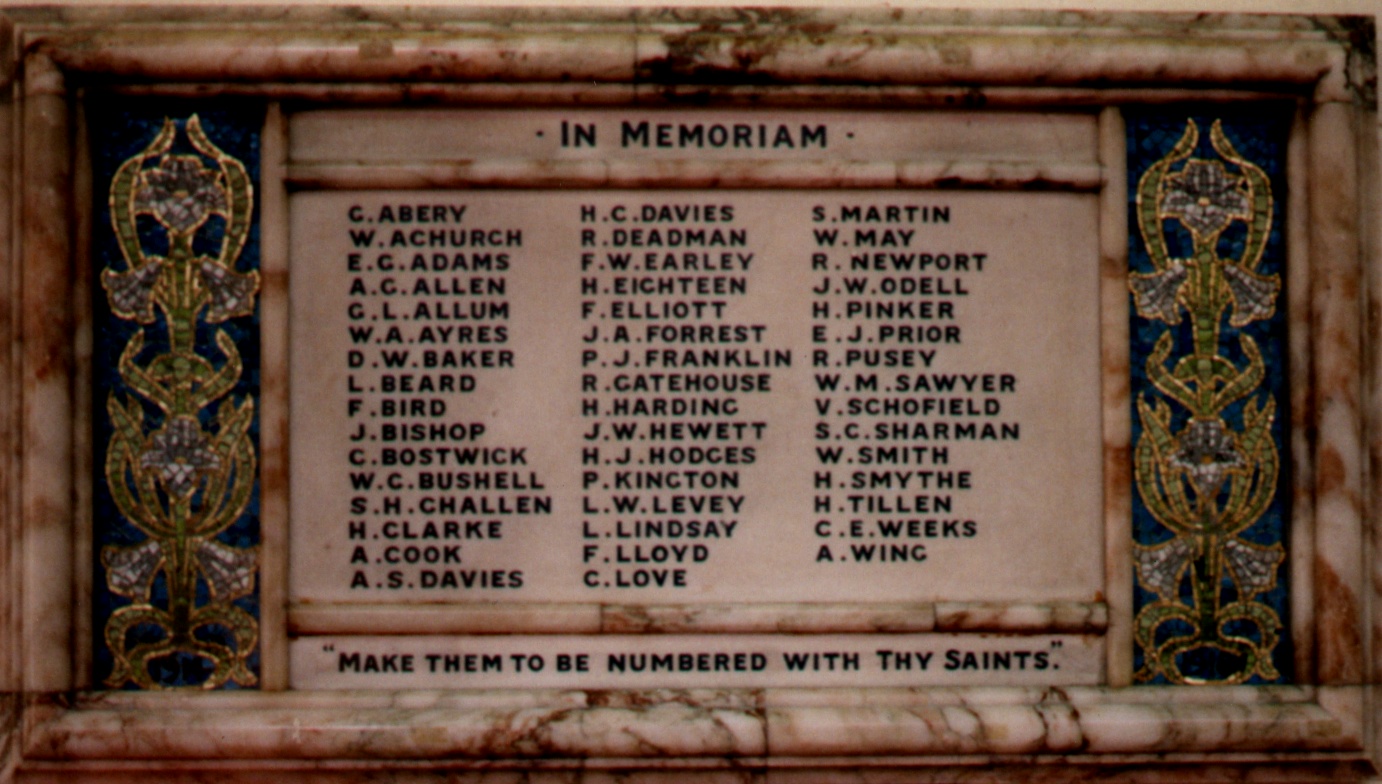
Harold Haynes Fenner, was the husband of Alice Fenner of 21, Donnington Gardens. He is commemorated on the Reading University College memorial. According to the 1911 census Harold Haynes Fenner was a member of the Royal Navy prior to the war. He died on 5th November 1915 Harold was aboard the submarine E20 and lost his life as a direct result of enemy action when the submarine was torpedoed by the German UB-14. * Harold was one of 21 who lost their lives. the UB-14 saved nine men including the captain of the vessel. Because Harolds body was not recovered he is commemorated on the Portsmouth Naval Memorial, Panel 8. Harold and Alice had one child according to the 1911 census.
*An account of the action is posted on Wikipedia
Percy Geddes Fenner
Private 74233
1st/28th London Regiment Artists Rifles
 |
Percy Geddes Fenner, was the brother of Harold Fenner and son of Mr Thomas Crombie Fenner and Mrs Fanny Fenner of 11, Liverpool Road, Reading. After a period of home service he was posted to France in February 1917. He is commemorated on the Tyne Cot Memorial Panel 153. Percy was initially reported missing and then killed in action on the 30th October 1917. The second Battle of Passchendaele had begun on the 26th October 1917. On the 30th October the British attacked, in bad weather, on a front from Poelcapelle to Passchendaele; they managed to enter Passchendaele but were later driven out. During these battles it could take up to six men to carry a one wounded soldier on a stretcher. The German counter attacks and bombardments had churned the land into waist deep mud. Many of the wounded were never found having drowned in the mud. The Canadians eventually captured Passchendaele on the 6th November and thus ended the Third Battle of Ypres.
Percy Fenner had been in the army ten months. Before the war her was employed at Messer’s Petty and Sons, printers. He had worked there for fifteen years having started as a boy in the office and rising to chief estimating clerk. In the Standard of March 9th 1918, Mr Petty writes, ‘he was a most respected employee and in him we have lost a most valued and trustworthy servant’. He was educated at St. Stephen’s School. Mr Hopcraft the Headmaster wrote,’ He was one of the most steadfast and dearest friends’. Percy had been a member of the St. Stephen’s church choir for many years. According to the paper Mr and Mrs Fenner had now lost their third son to the war. Their surviving son Edgar was serving in France. The 1911 census indicated that Edgar was a Clerk Seedsman. Edgar survived the war, he died in 1973 aged 83.
The Fenner Brothers are commemorated on their parent’s grave. Berkshire Family History Society classification 67C7