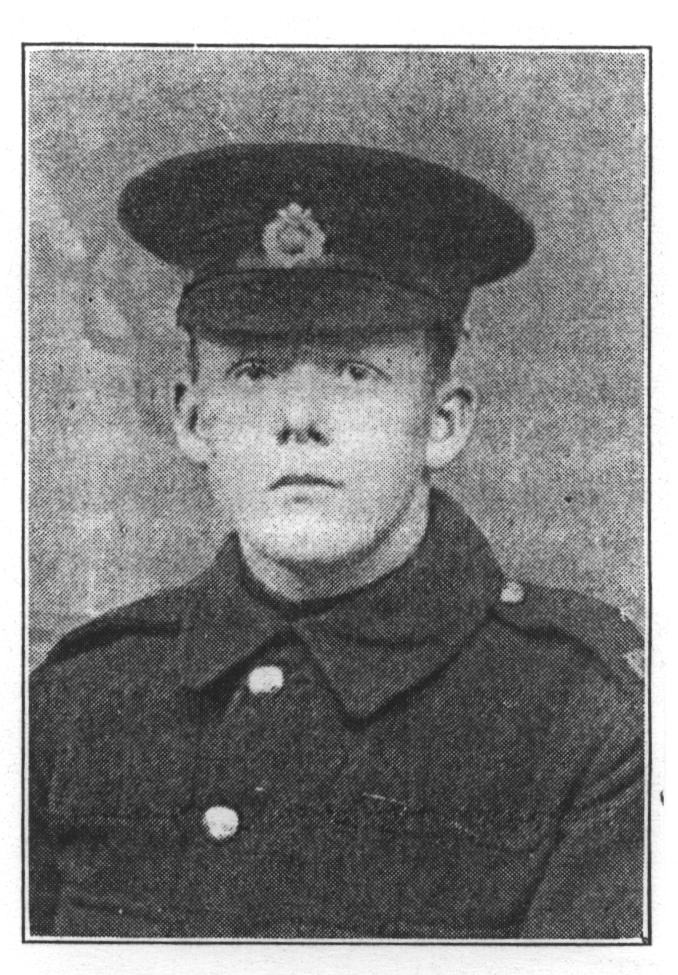
Arthur James Beechey
Private Portsmouth Battalion,
Royal Naval Division,
Royal Marine Light Infantry
Division 41
Arthur James Beechey, is commemorated on a family memorial. Grave number ?
He was the son of Mr and Mrs A. Beechey, of 141, Southampton St. Reading. He was killed in action during the Dardanelles campaign on 1st May 1915.
Arthur Beechey is buried at Beach Cemetery which is situated on what was known as Hell Spit, at the southern part of Anzac Cove. Beach Cemetery was used from the day of the Landing at Anzac, almost until the Evacuation. British forces had landed on the peninsula on the 25th April 1915 and fierce fighting had taken place along the coast ever since.
The plan was for the Royal Naval Division to launch an feint attack further up the coast at Bulair. This was carried out and observed by the German Commander of the Turkish forces. The aim of the attack being to cut off the peninsula from the rest of Turkey. It was here that von Sanders heard of the attacks around the peninsular.
At Anzac Cove the landing of Australians and New Zealand forces had taken place. The fighting was continuos with Lt. Col. Mustapha Kemel sending reinforcements to the front to prevent further allied advances. Frequently the frenzied attacks meant certain suicide for the Turkish soldiers. The Anzacs defended their positions in shallow trenches and gullies. Although they stood their ground the Anzac forces were shaken by the ferocity of the almost continual attacks and the strain was beginning to show when relief came on the 28th April in the form of the Chatham and Portsmouth Battalions of the R.M.L.I. and the next day by the Deal Battalion. The following account is taken from Gallipoli by Robert Rhodes James, page 170.
“’Chatham was in fair shape,’ one officer has written frankly; ‘Portsmouth had been entirely rebuilt [after Antwerp] from bottom to top. And Deal was entirely composed of recruits and the left-over officers from the Fleet. And none of us had had any battalion training at all.’ The delight of the exhausted Anzacs was changed to consternation when they beheld the lines of pith-helmeted, pale and bewildered young men-‘children under untrained officers and I feel very sorry for them’, Birdwood wrote in his diary- toiling up the ravines, each Marine laden with blankets, waterproof sheets, ammunition and rations as well as his rifle. ‘Such boys they look,’ Malone wrote in his diary; ‘still they must be sturdy.’ The Marines had expected to take over a reasonably established trench system…. A heavy thunderstorm, which drenched the Marines as they trudged up the slopes to the isolated pot-holes which constituted the Anzac firing line, filled their cup of misery. ‘I have now been given some so-called Marines and Naval Battalions,’ Birdwood wrote despairingly, ‘who are so as I can see nearly useless. They are special children of Winston Churchill, immature boys with no proper training, and I am quite afraid of them giving me away someday.’
No doubt, the Marines were also unimpressed with the Anzacs. ‘Everything was chaos,’ writes one, ‘and nobody knew where anyone was….one met Australians all over the place, wandering around, drinking tea, and having pot shots at anything they saw.’ In spite of heavy losses-amounting to nearly 50 per cent – largely due to their own inexperience, the Marines held on with admirable tenacity until the reorganisation of the shattered Anzac battalions was completed.”
And so, in these conditions Arthur James Beechey, aged 18, lost his life. He was an old boy of Reading School and worked for Messers Dymore Brown and Son until he enlisted in July 1914. His father was in the Army. (Reading Standard July 3rd 1915)